Backup Power in Broadband: Why Architecture Matters
Broadband networks depend on uptime. In transport cabinets, central offices, huts and hub sites, a dependable rack battery backup is what keeps customers online when the grid goes down. Many providers default to sealed lead-acid or AC UPS batteries because they are familiar technologies. In most real world broadband deployments, DC-powered battery backup is the more efficient and reliable path.
Precision Group works closely with installers and operators in the field, and one theme comes up again and again. Matching the power architecture to the equipment matters more than brand familiarity.
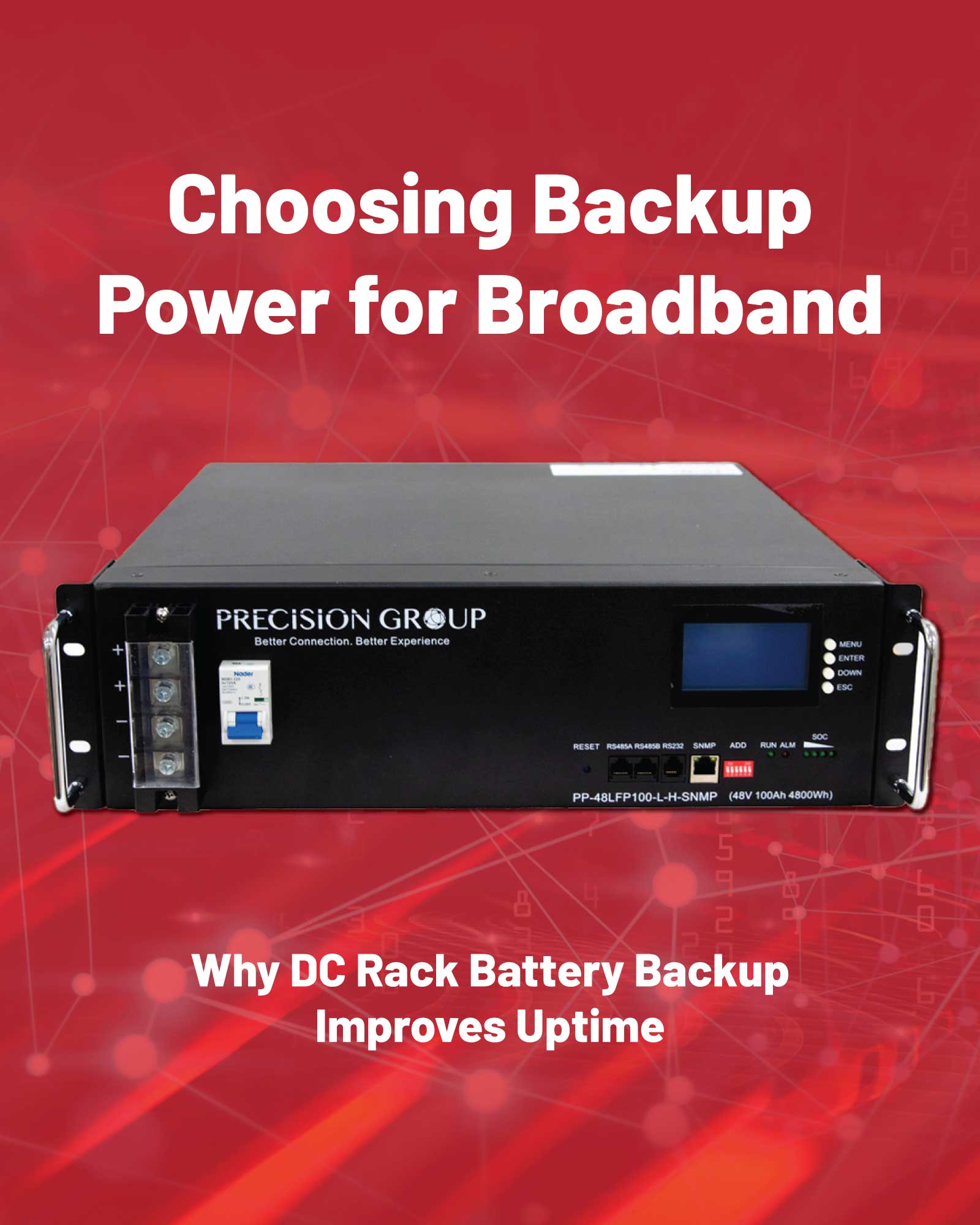
Why DC Power Makes More Sense in Broadband
Most Broadband Equipment Already Runs on DC Power
When an AC UPS is introduced into that environment, power must be converted from AC to DC before it reaches the equipment.
Each conversion step:
- Adds inefficiency
- Introduces heat
- Creates another potential failure point
More components mean more complexity, and more things that can go wrong.
While sealed lead-acid batteries are DC, they have a short lifecycle and no management capabilities.
Challenges of sealed lead-acid batteries vs lithium iron phosphate:
- Less than half the life expectancy
- No ability to remotely manage the battery without add-on equipment
- Three times the weight
DC Eliminates Unnecessary Conversion
A DC battery backup removes that extra layer entirely.
Power flows directly from the battery to the equipment, without an inverter in between.
This results in a system that is:
- Simpler
- Easier to troubleshoot
- More efficient during an outage
Fewer components means fewer variables to manage in the field.
Built for Hours, Not Minutes
There is also a practical difference in runtime.
A typical under-desk AC UPS is designed for minutes of runtime, enough to shut down IT equipment safely.
Broadband infrastructure has very different requirements. Cabinets and hub sites often need hours of runtime, not minutes.
DC rack mount systems are built with that expectation in mind.
The Bottom Line
Unless equipment is strictly AC powered, skipping conversion and going straight to DC is usually the smarter move.
In the field, simpler power architecture leads to:
- Fewer failure points
- Faster troubleshooting
- More predictable uptime
And when uptime matters, simplicity wins.
What to Look for in a Rack Mount Battery
Not all batteries perform the same, and the differences show up quickly in the field.
Cell Quality Drives Performance
Many low-cost batteries use recycled lithium cells. While cheaper upfront, recycled cells often cause inconsistent performance and shorter lifespan. In distributed networks, failed batteries mean truck rolls, service risk and higher operating costs.
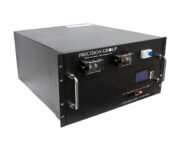
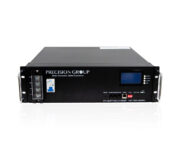
Precision Group rack batteries use lithium iron phosphate chemistry, known as LiFePO4. This chemistry is widely recognized for stability and long service life. It provides:
- consistent output
- predictable performance
- extended cycle life
In network infrastructure, stable power is essential.
Field Advantages of LFP Batteries
Compared with sealed lead acid batteries, LFP batteries offer practical installation benefits. They do not produce gas, which allows installation near electronics. They also tolerate heat from surrounding equipment and can operate in heated compartments. Precision Group rack batteries include built-in heating support for cold environments.
For installers this means:

Monitoring Reduces Operational Costs
Distributed networks require visibility. Without monitoring, technicians must physically check battery health at each site.
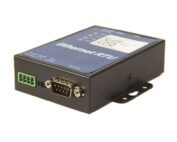
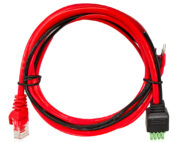
Precision Group DC battery systems support SNMP and web-based monitoring so operators can view status remotely. Teams can:
- monitor multiple sites
- identify issues early
- dispatch technicians only when needed
This reduces maintenance costs and improves reliability.
Support that Matches Deployment
Power equipment is a long-term investment. Precision Group provides a seven-year warranty and access to U.S.-based engineers who understand broadband deployments. Installers get direct support when issues arise, which helps keep projects on schedule.
A Practical Approach
Choosing a rack battery backup should be based on real deployment needs. DC-powered LFP systems match broadband equipment requirements, reduce conversion loss and provide stable long-term power.
Precision Group designs products for field conditions. Built for real-world environments. Made by Installers, For Installers.
Better Connection. Better Experience.