Why More Broadband Providers Are Making the Switch to Armored Fiber
A single damaged fiber jumper can mean a service outage, an unhappy customer, and another truck roll. Whether it’s a rodent in the crawl space, a pet inside the home, or accidental damage outside, exposed fiber can create costly service issues long after installation.
That’s why we’re seeing more broadband providers make the switch to armored fiber jumpers and bulk cable.
We recently sat down with Kieser Hladik from Precision Group to discuss what he’s seeing from customers, why armored fiber is gaining traction, and how our solutions are helping installers protect connections without sacrificing flexibility or ease of installation.

Why Are Providers Switching to Armored Fiber?
Traditionally, many broadband providers have relied on standard 2mm indoor-rated fiber jumpers for connections inside the home. While those remain widely used, Kieser is seeing more customers move toward 3mm jumpers and armored options for added durability.
Armored fiber was once primarily used for indoor/outdoor connections, such as the run from the network interface device (NID) into the home. Now, providers are beginning to use armored jumpers for standard indoor connections as well.
The biggest reason? Protection.
Fiber installations can be exposed to damage in more places than providers might expect:
- Attics, basements, and crawl spaces where rodents may be present
- Mobile homes with exposed cable underneath
- Indoor installations where pets can reach fiber
- Outdoor areas where rodents or landscaping equipment can damage cables
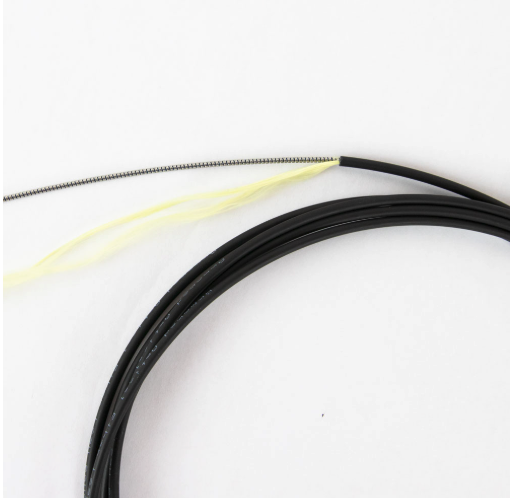
Precision Group’s armored fiber adds a tightly wound metal layer around the fiber, creating an additional barrier against these common threats.
Armored Fiber Protection Without Sacrificing Flexibility
One concern providers have when considering armored fiber is whether the added protection will make installations more difficult. Pushable and ruggedized fiber solutions have their place, particularly for longer runs. However, their stiffness can create challenges when installers need to navigate bends.
Precision Group’s armored fiber takes a different approach.
Our armored cable uses a tightly wound metal construction that provides protection while maintaining the flexibility installers need to route fiber through residential spaces.
“The armor works much like a tightly wound slinky,” says Kieser. “Its construction allows the cable to bend while maintaining a protective metal layer around the fiber.”
This gives installers a practical option for applications where both durability and routing flexibility are important.
The Real Cost of Fiber Damage: Repeat Truck Rolls
The initial price of armored fiber is higher than a comparable non-armored jumper. But for broadband providers, the cost of the cable is only one part of the equation.
Every time a technician has to return to a customer premises to replace damaged fiber, the provider absorbs additional labor, travel, and service costs.
Kieser has seen customers approach the transition by initially ordering smaller quantities of armored jumpers for locations where they frequently experience problems.
After several months without repeat service issues at those locations, providers begin evaluating the cost of switching their entire jumper inventory to armored.
“They run a cost analysis and decide for X amount of dollars more per year, we make that up in one to two truck rolls.”
For providers managing hundreds or thousands of subscriber connections, preventing even a small number of unnecessary service visits can help offset the additional material cost.
Armored Fiber Jumpers and Bulk Cable: Options for Different Installation Methods
Not every provider installs fiber the same way. Some prefer preconnectorized jumpers in predetermined lengths, while others use bulk cable that technicians cut and splice on-site.
Precision Group offers armored fiber in multiple configurations to accommodate these different installation methods.
Preconnectorized Armored Jumpers
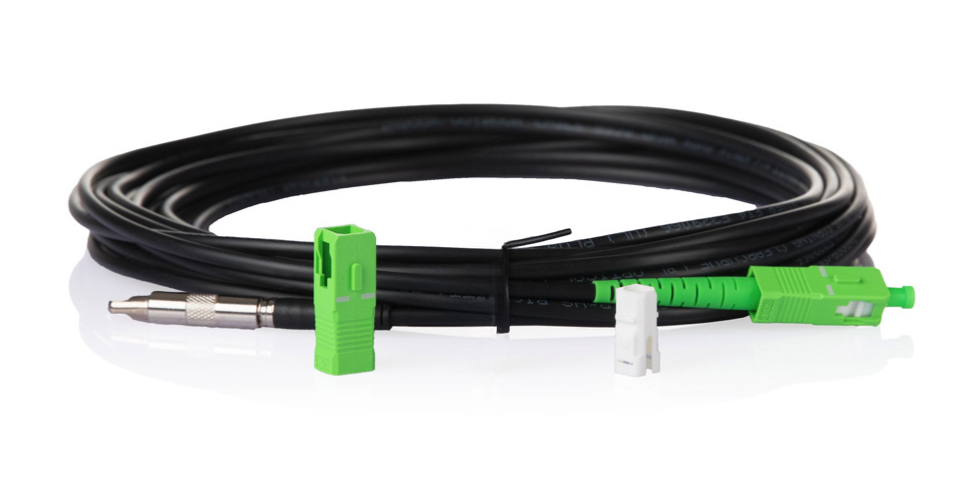
Our armored jumpers are available with connector configurations including SC/APC and LC/UPC.
For indoor installations, providers can choose short, fully connectorized jumpers to connect equipment while maintaining additional protection.
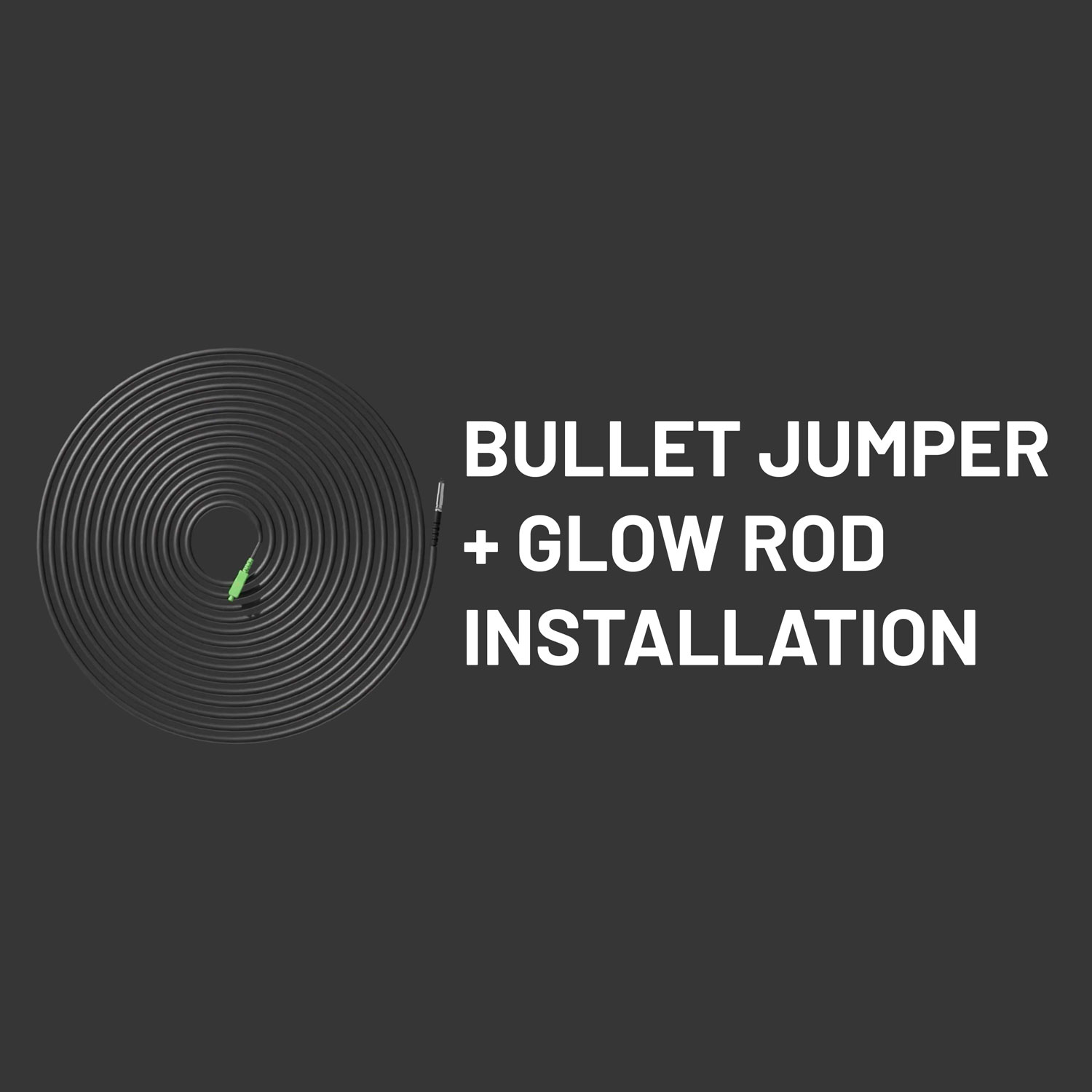
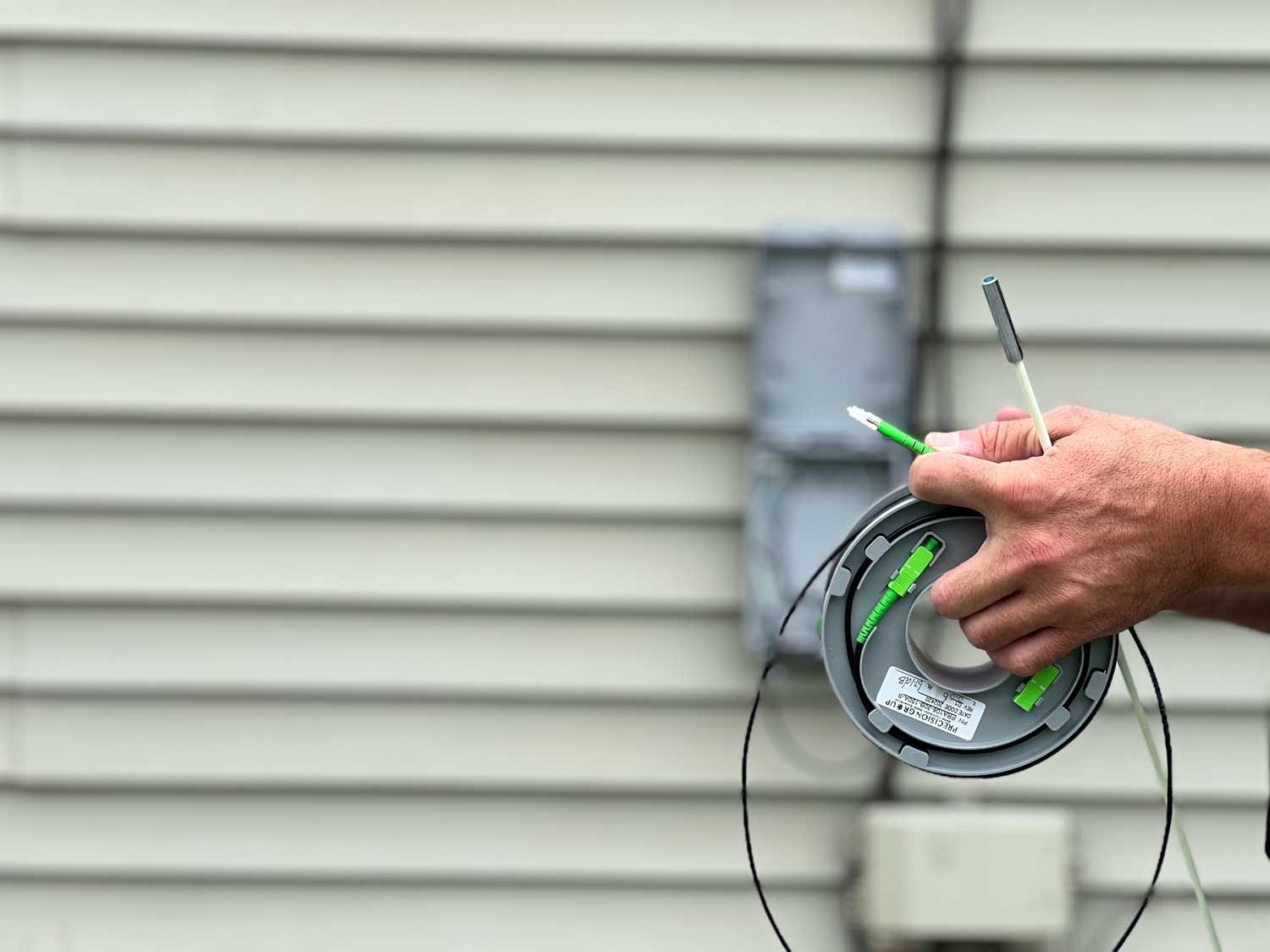
For indoor/outdoor installations, our armored Bullet Jumper is a popular option.
Its compact bullet-style connector allows installers to route the cable through a smaller wall penetration. It also works with Precision Group’s Bullet Jumper Glow Rod, eliminating the need to tape a jumper to a rod before pulling it through the wall.
That means less bulk at the connection point, fewer installation workarounds, and a cleaner process for technicians.
Armored Bulk Fiber
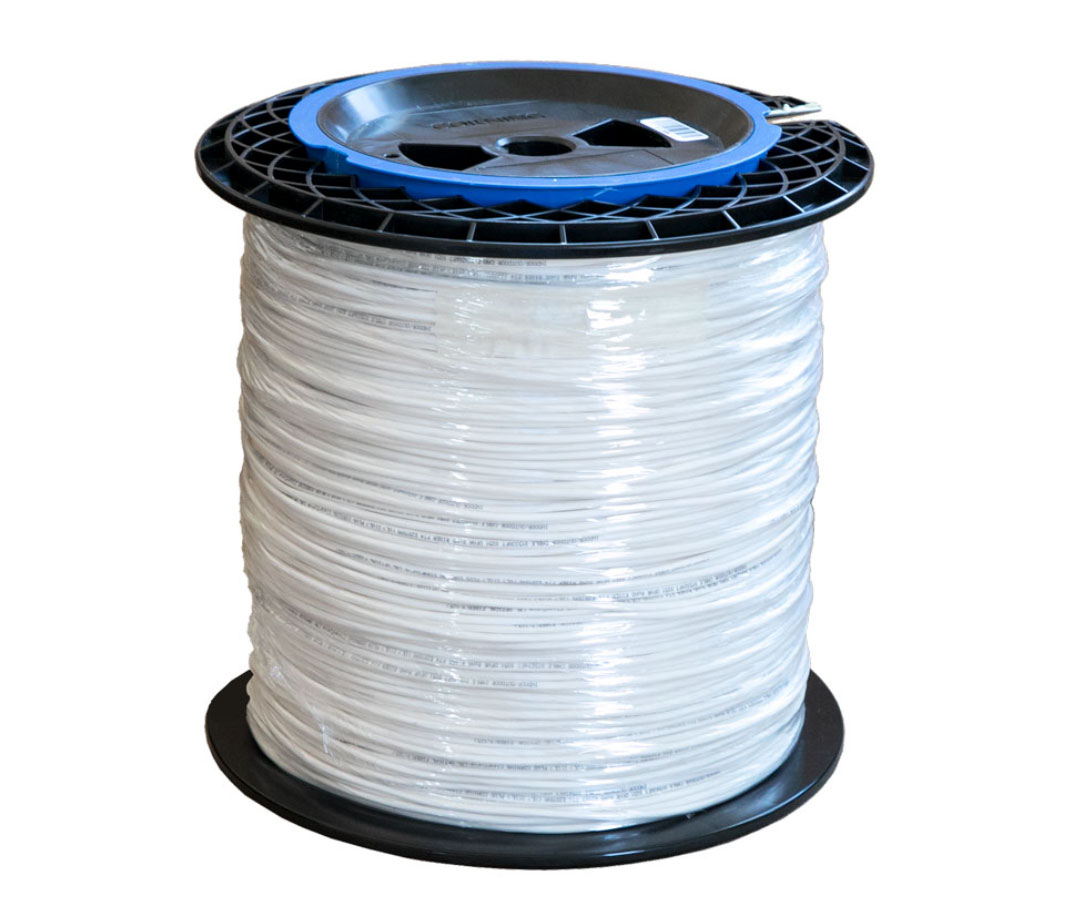
For providers that prefer to work with bulk cable, Precision Group also offers armored fiber on reels, including 3mm and 4.8mm options.
One of the most common questions Kieser receives is how installers access the fiber beneath the metal armor.
Unlike a preconnectorized jumper, bulk armored cable requires an additional preparation step before splicing.
Installers can access the fiber by carefully unwinding the metal armor using their fingers or needle-nose pliers, then trimming the exposed armor with snips. Specialized tools that score and cut the armor are another option.
Although this adds a step to the installation process, Kieser says customers generally adapt quickly once the preparation becomes part of their normal workflow.
Real-World Results: The Fiber Stayed Connected
One of the strongest examples Kieser shared came from a broadband provider that had been using Precision Group’s 3mm armored bulk cable for approximately a year.
The customer sent a photo showing where a rodent had chewed completely through the cable’s outer black jacket, exposing the metal armor underneath.
Despite the damage, the fiber remained operational, and the customer never lost light.
In a similar situation with unprotected fiber, that damage could have required replacing the cable and sending a technician back to the premises.
This is exactly the type of real-world protection that is driving more providers to consider armored fiber for their installations.
Is It Time to Make the Switch to Armored Fiber?
For providers considering armored fiber, the right starting point is understanding how their installers currently work.
- Are they using preconnectorized jumpers or bulk cable?
- What connector configurations are standard?
- Where are they experiencing repeat service calls or fiber damage?
These are the questions our team asks before recommending a solution.
At Precision Group, we work with broadband providers to identify the right armored fiber configurations for their installation methods, whether that’s a short indoor jumper, an indoor/outdoor Bullet Jumper, or bulk armored cable.
The result is a more durable last-mile connection, fewer potential callbacks, and a solution that fits the way installers already work.
Protect More Connections. Reduce Repeat Visits.
Looking to improve fiber durability and reduce unnecessary truck rolls?
Explore Precision Group’s armored fiber jumper and bulk cable solutions, or contact our team to discuss the right configuration for your next deployment.