Changing a product you already use in your broadband network can be a tough sell.
Your technicians know it. Your purchasing team knows how to order it. Your specs are already built around it. Even when there may be a better solution available, changing means asking a simple question:
Is the difference actually worth it?
At Precision Group, we don’t think you should have to answer that question from a spec sheet or sales presentation.
We’d rather put the product in your hands.

See the Difference for Yourself
Sampling has always been an important part of how we work with customers.
When a provider is considering a different NID, fiber jumper, power solution, or another product, we want the people who will actually use it to have the opportunity to test it.
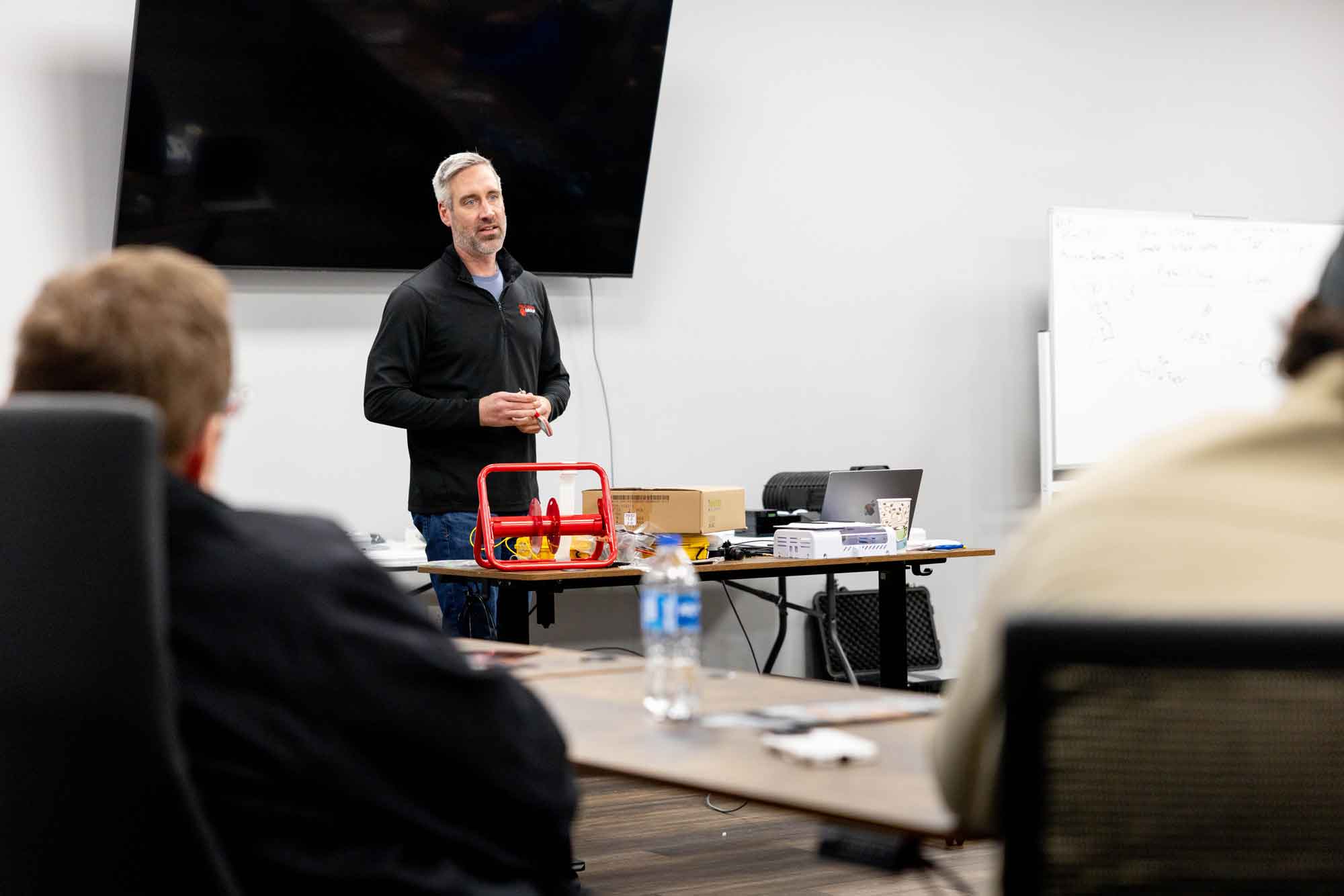
“We love getting our samples in people’s hands because I think that shows the difference in quality and thought process of the components, why we built it, and the problems it solves,” says Bryan Hughes, Vice President of Sales at Precision Group.
Sometimes those differences are easy to explain. Other times, you need to physically work with the product before they become obvious.
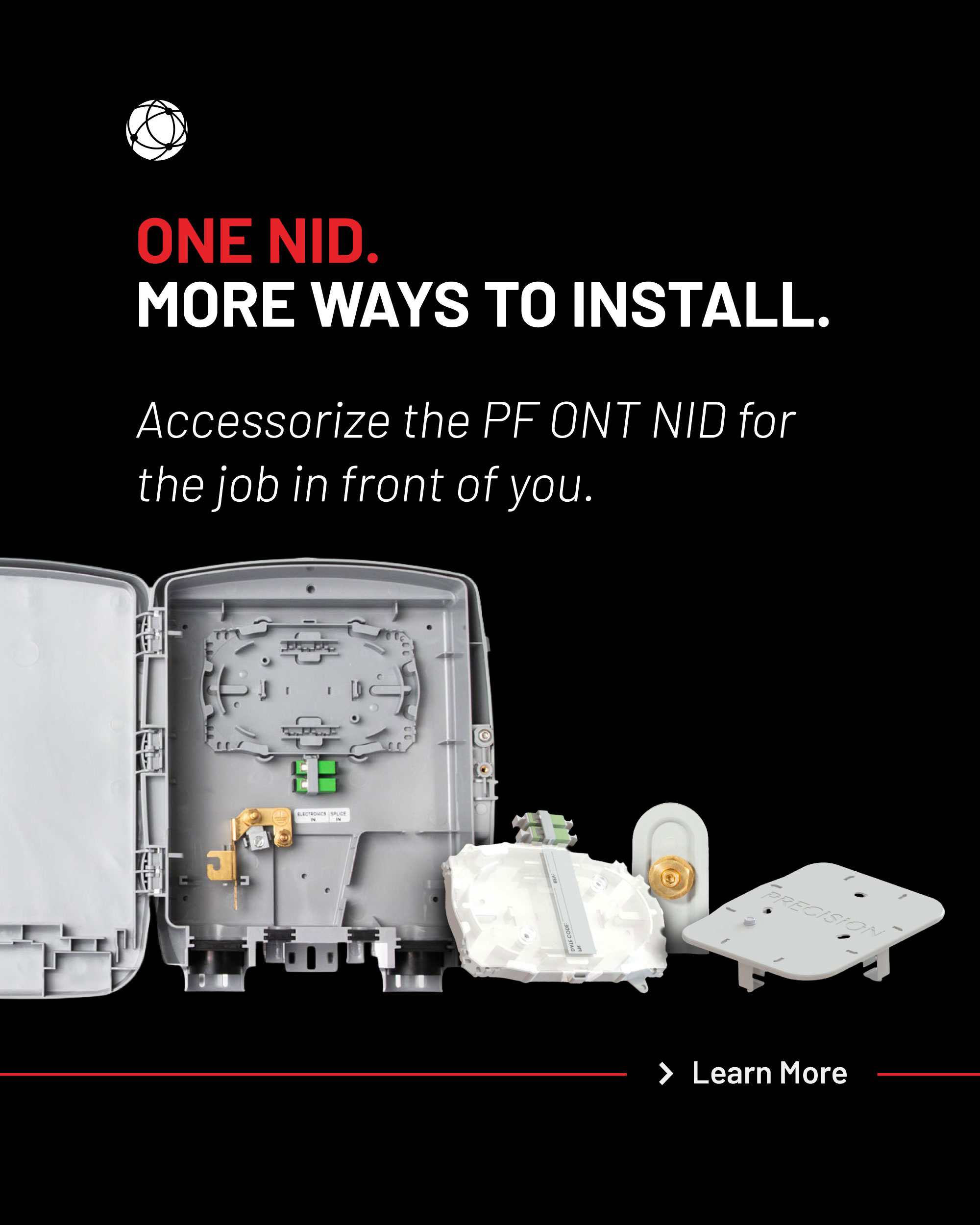
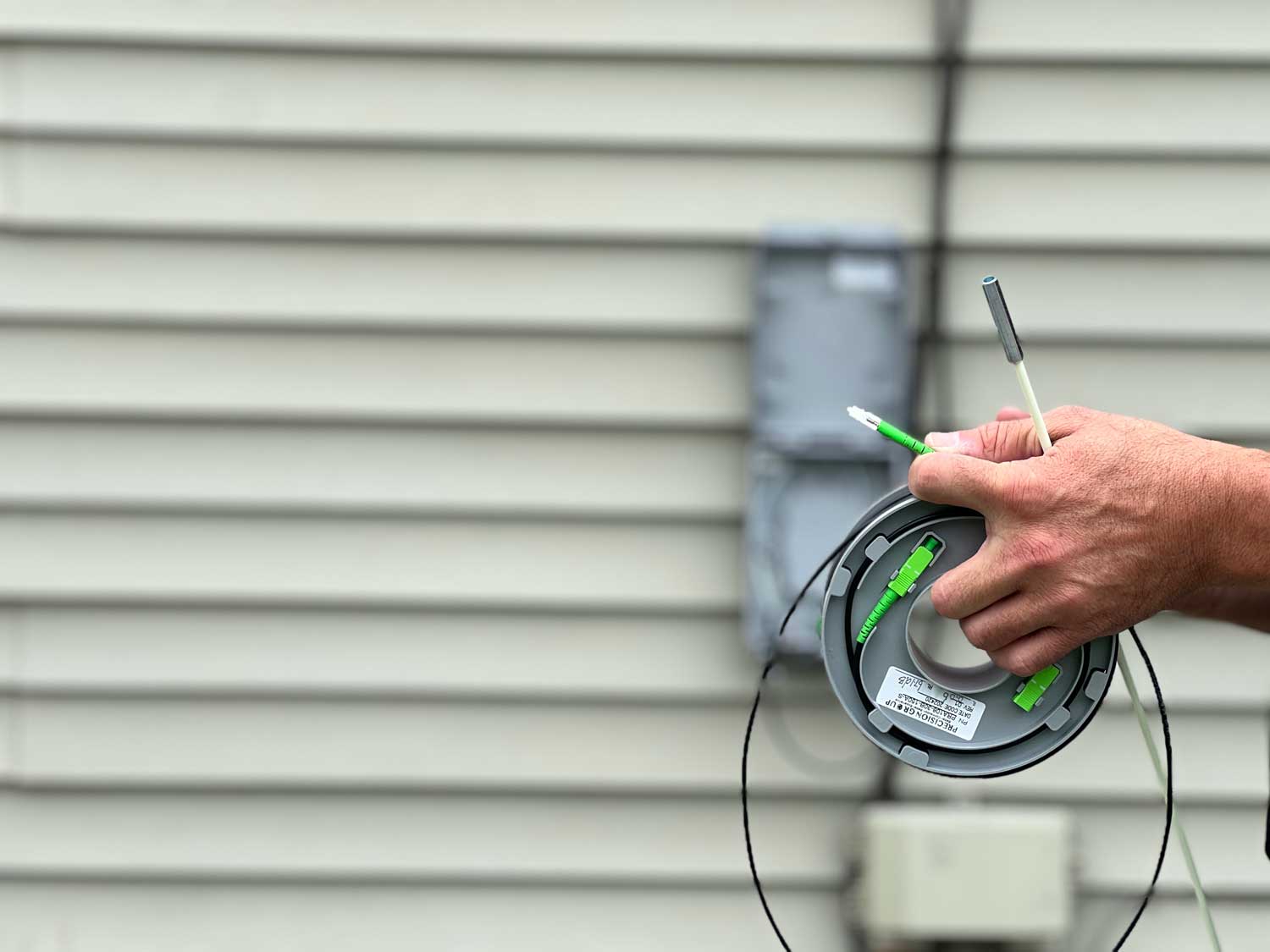
A NID may look similar to another enclosure online. Put both in a technician’s hands, and they can immediately feel the difference in rigidity and construction.
Cable routing is another example. A photo might not make much of two separate routing channels. Start routing 900-micron fiber alongside 3 mm or 4.8 mm cable, and suddenly that separation has a real purpose.
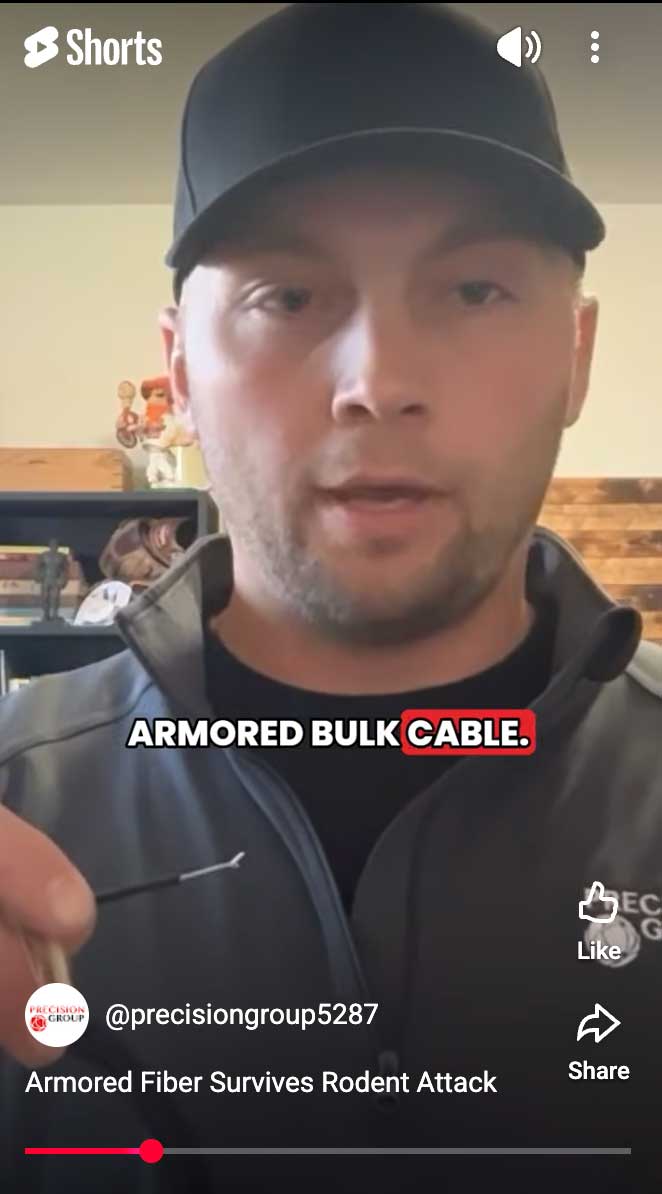
The same is true with fiber jumpers. Jacket flexibility and cable memory are difficult to demonstrate in a PDF. Pull a jumper out of the bag on a cold day and start installing it, and the difference becomes much clearer.
Those are the details that affect an installation. We want installers to experience them for themselves.
Get the Product to the People Actually Installing It
The person evaluating a new broadband product isn’t always the person who will install it.
A manager or engineer may start the conversation, but the technician in the field is the one who has to route the fiber, mount the enclosure, make the connections, and leave behind an installation they’re confident in.
That’s why getting product samples beyond the conference room is important.
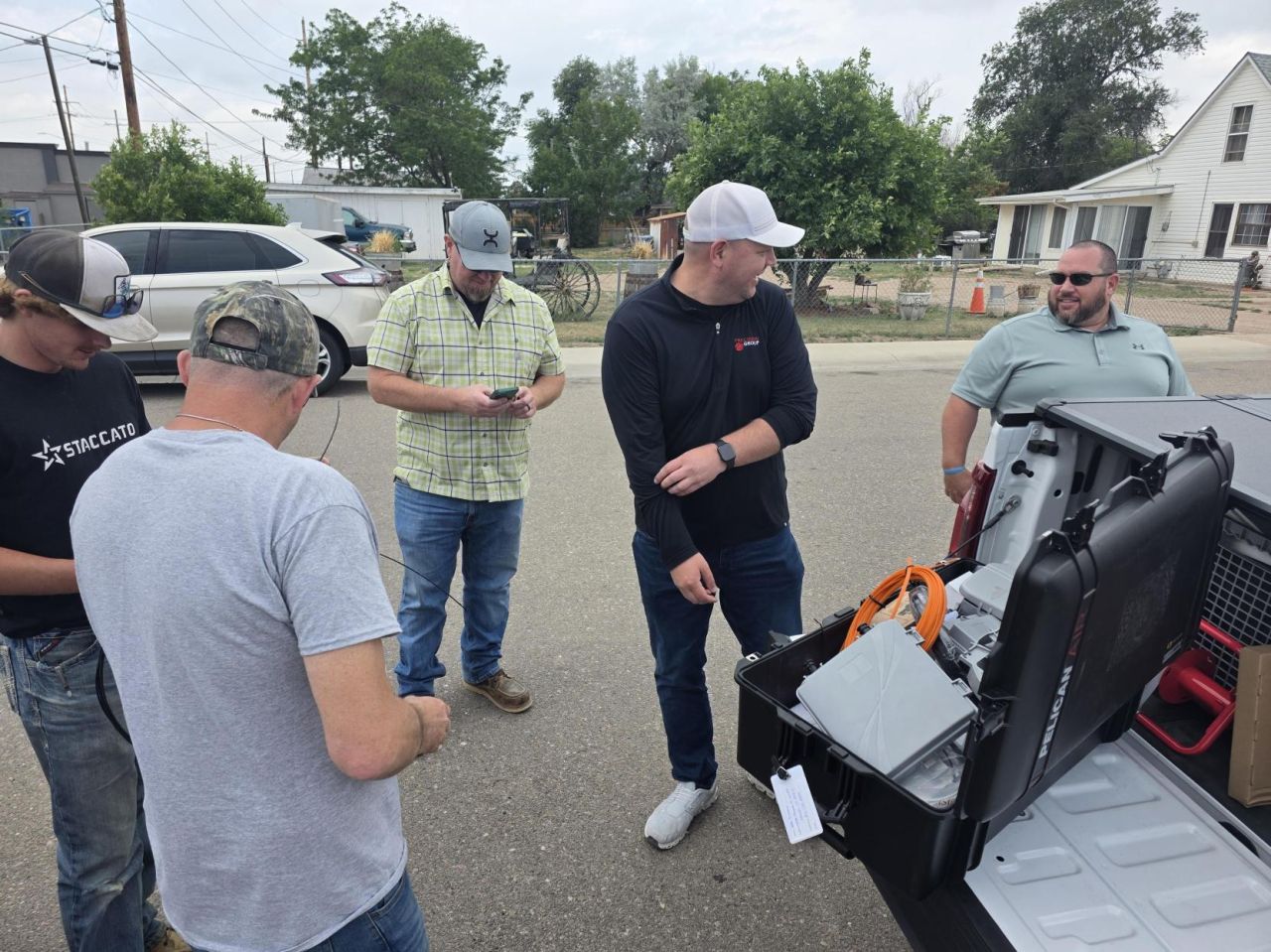
We want technicians to touch the product. Install it. Route fiber through it. Compare it with what they’re currently using. Find the features they like and, just as importantly, tell us what they don’t.
Anyone can make a product look good in a photo. A sales rep can explain why a feature should help.
The installer tells you whether it actually does.
Sampling Shouldn’t Require a Stack of Paperwork
We’ve also seen how complicated getting a sample can become.
Some manufacturers require purchase orders or lengthy approval processes before a customer can even evaluate a product. For a provider that simply wants to see whether a solution works for its network, that extra friction can stop the evaluation before it begins.
We try to keep it simple.
That doesn’t mean shipping every product in our catalog every time someone asks. Our team asks questions first. We want to understand the network, application, current installation method, and problem the customer is trying to solve.
Then we can narrow the options and send the products that actually make sense for that application.
For us, the cost of the product sample and shipping is an investment in proving we’ve built a better solution.
Joe Ascheman, Director of Sales – West U.S. at Precision Group, has seen the difference that approach makes.
“It’s quick and easy for us to get samples out to customers, which they really appreciate,” Joe says.
That speed can be especially useful when a customer discovers a solution at a trade show or during a conversation with our team. Rather than letting that interest sit for weeks, our goal is to get the right product into their hands so they can start evaluating it.
The Product Sample Isn’t Just for the Customer
Sampling works both ways.
We learn from it, too.
Precision Group products are built around real installation challenges, which means feedback from the people doing the work is part of the product development process.
A customer might tell us they like a product but wish it were deeper. They may need another mounting option. They might see a routing challenge we hadn’t encountered in that particular application.
The M-Flex is a good example.
After customers requested the original M-Flex, Precision developed the product and sent samples back into the field. Once customers could physically work with it, additional ideas followed. One customer wanted a deeper version that could accommodate a spool and offer additional aerial securement.
That feedback helped lead to the M-Flex DB series within months of the original M-Flex release.
That’s why we listen.
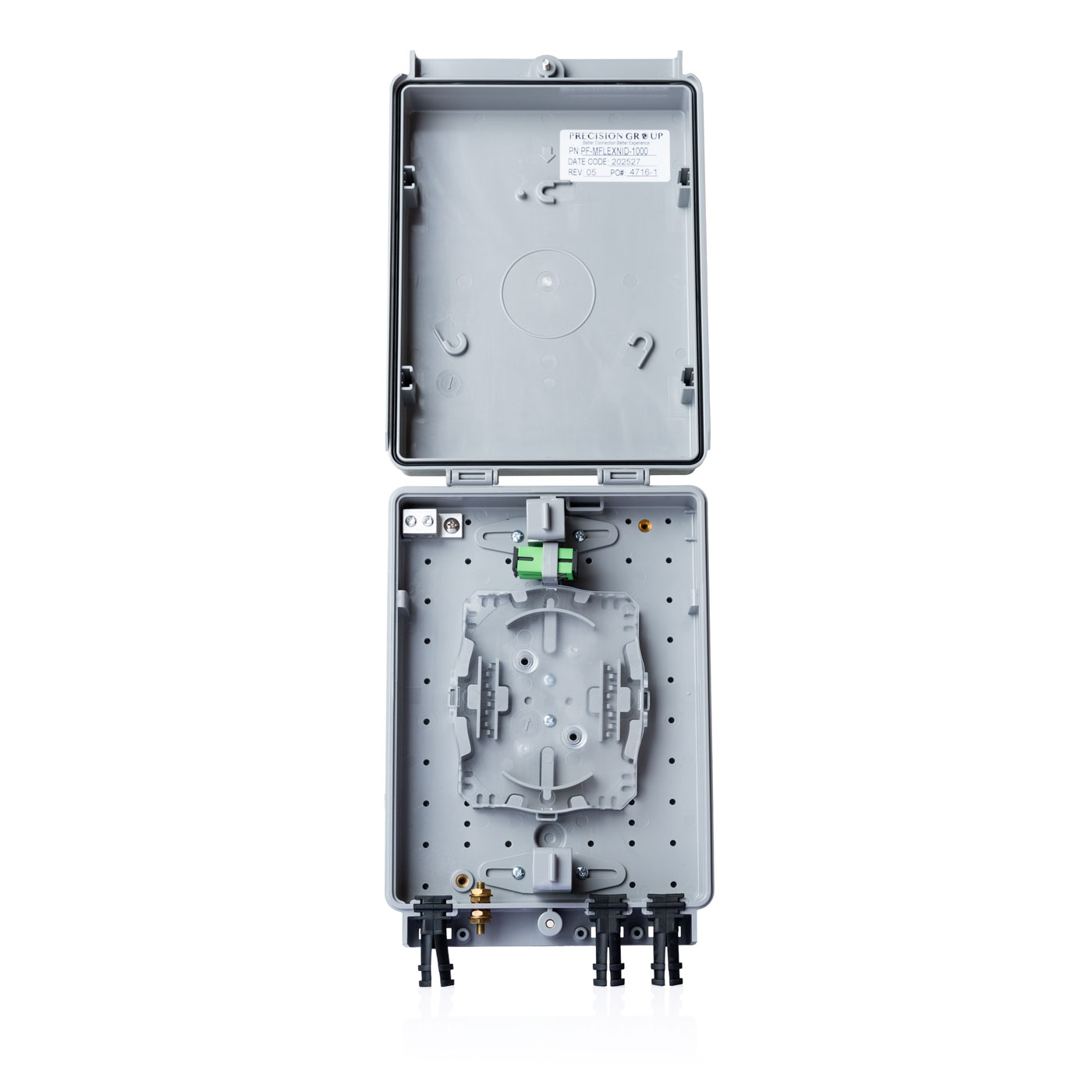
Midsized Flex NID (M-FLEX)

Midsized Deep Base FlexNID (MFLEX-DB) Spool Compatible
Make the Install Easier Before Making the Change
There is always resistance to changing a product that already works.
We understand that.
The point of introducing something new shouldn’t simply be to replace what a provider already buys. There should be a reason to make the change.

Those questions are easier to answer when a technician can actually use the product.
And technicians take pride in their work. A clean FTTH installation isn’t just about appearance. Good routing, proper protection, accessible connections, and the right mounting solution can make that installation easier to service long after the technician leaves the home.
If we can design those details into the product instead of asking the installer to work around what’s missing, we’ve done our job.
Don’t Take Our Word for It
Our sales team can tell you why we designed a product a certain way. We can show you specifications, photos, features, and installation examples.
But sometimes the best sales pitch is no sales pitch at all.
Put the product in the hands of the people who use it.
Let them install it.
Let them compare it.
And let the installers decide whether we’ve solved the problem.
That’s the kind of confidence we want customers to have before making a change.
Better Connection. Better Experience. Problem Solved.